Clinical notes drafted while you're still with the patient
Ambient note drafts that match your template, ready for your review before the patient leaves the room.
The problem
You spend evenings typing SOAP notes from scribbled shorthand or memory. The visit ends, but the documentation eats another two hours of your day. Templates sit empty because the real work is turning conversation into structured text, and every minute spent typing is a minute stolen from the patient in front of you or the family waiting at home.
What AI makes possible now
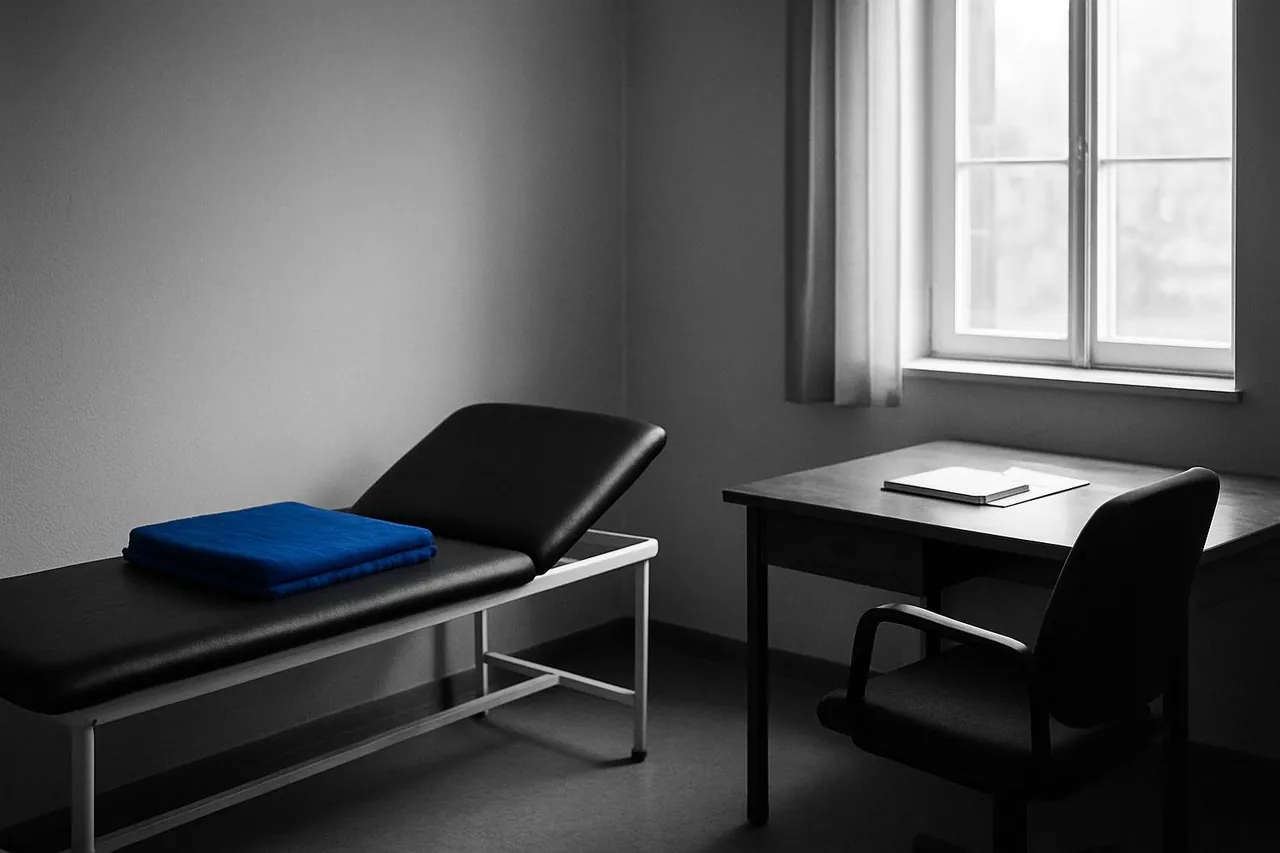
A small microphone array sits in the consultation room, capturing the natural conversation between you and your patient. As you speak, a language model structures that dialogue into a draft clinical note that follows your exact template, whether that's SOAP, DAP, or a custom format your practice uses. The draft appears on a tablet by your elbow before the consultation ends. You read it, edit any section, and approve it with a tap. Nothing is saved until you confirm it's clinically accurate. The final note drops straight into your EHR.
How it works
- A discreet microphone captures the consultation audio in real time, processing it locally on a dedicated device in the room.
- Speech-to-text transcription runs continuously, distinguishing between clinician speech, patient speech, and silence or small talk.
- A fine-tuned language model maps the transcribed conversation to your practice's note template, pulling out history, symptoms, assessment, and plan from the natural flow of dialogue.
- The draft appears on a secure tablet. You review, edit, and approve. Only then does the note save to your EHR and the audio recording delete permanently.
The first thirty days
A single-device setup for one consultation room. The hardware is a small, encrypted audio processor that connects to a review tablet. The software handles one note template, one clinician, and sends approved notes to one EHR via HL7 FHIR. The audio is processed on-device and never leaves the room until you approve the note, at which point it's discarded.
How it earns
You save roughly 90 minutes of documentation time per clinician per day. For a practice with three clinicians, that's 22 hours of recovered clinical or personal time each week. The fixed monthly fee replaces the per-clinician SaaS pricing that scales painfully as you grow. It also reduces the burnout-driven churn that costs a practice far more than any software subscription.
Why now
Speech-to-text and language models are now fast enough to produce a draft before a 15-minute consultation ends. Clinicians are leaving the profession over documentation burden, and practices are actively searching for fixes that don't add screen time.
First customers
A small GP practice with two to four clinicians who type their own notes and are drowning in after-hours paperwork. Or a single-specialty clinic like dermatology or physiotherapy where the note structure is highly repeatable.
The hard part
Ambient recording in a clinical setting raises real consent and privacy questions that vary by jurisdiction. The hardest part is not the AI; it's getting the patient consent flow and data governance right so that both clinicians and patients trust the system completely.
Build this with us
We map your current note template, set up the hardware in one room, and train the model on your preferred phrasing and structure. Within a month, you're reviewing drafts instead of writing notes from scratch. If that sounds like a quieter evening, get in touch.