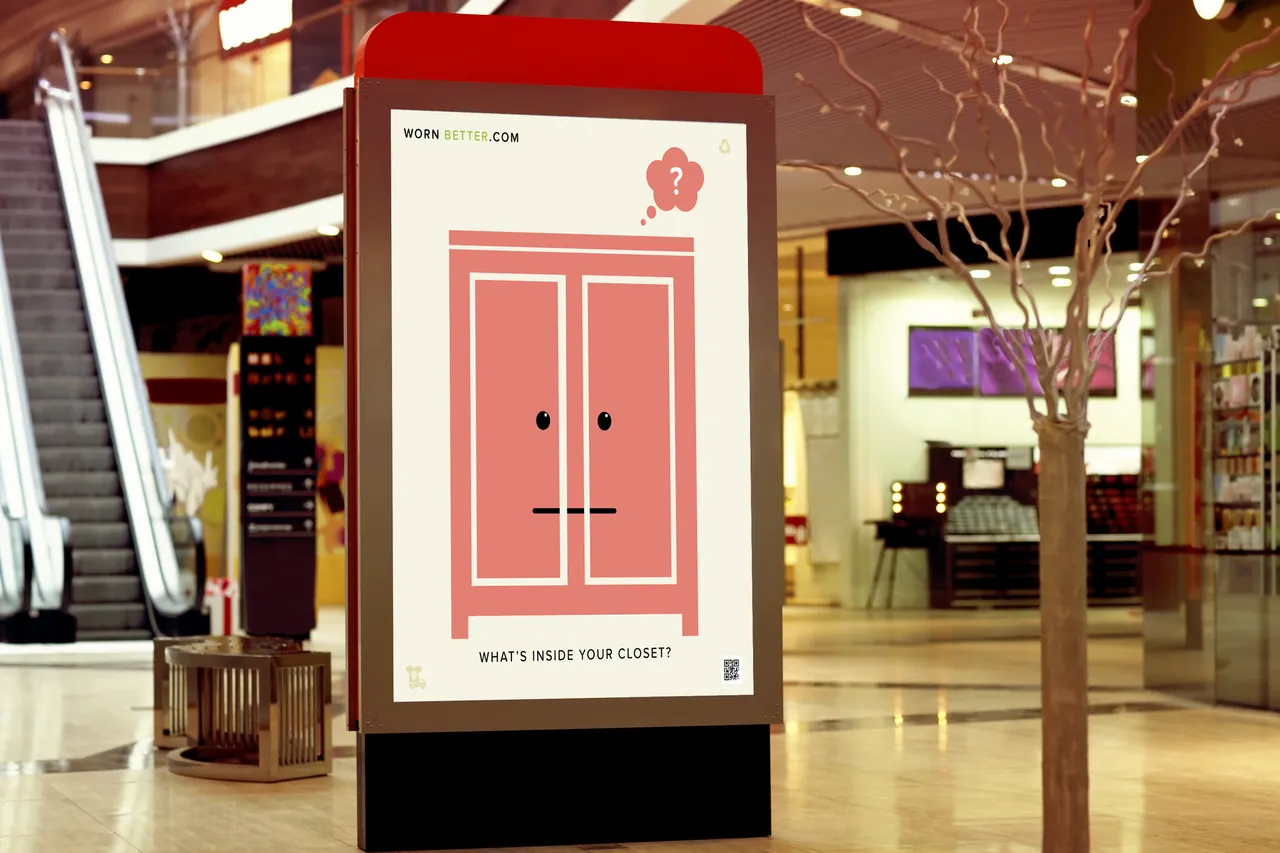
Billboards that speak to the person standing in front of them
A public screen that changes its message based on who walks past, using real-time vehicle and foot traffic data.
The problem
Outdoor advertising is the last broadcast medium. A family sedan and a delivery van see the same perfume ad. The screen owner charges by the month, not by the actual attention received, leaving most impressions wasted and unmeasured.
What AI makes possible now
In recently you had facial detection panic and no affordable real-time identity resolution. Now an agent watches the camera feed, classifies vehicle type, estimates age bracket and mood from gait alone, then picks the right creative from a library of hundreds, all in under two seconds. It never stores faces. Voice models let the board ask a question and listen for shouted answers from passersby, turning a static panel into a conversation that logs intent.
How it works
- An outdoor digital screen connects to a small edge computer with a camera and directional microphone.
- Onboard vision models classify approaching objects: SUV vs bicycle, family group vs solo commuter, dog walker vs courier.
- An agent selects the most relevant creative, inserts real-time context (local pollen count for allergy meds, yesterday's team score for merchandise), and renders it instantly.
- Optional voice mode asks a one-sentence question. If a passerby shouts back, the system logs the response and thanks them aloud, then measures dwell time before they walk on.
The first thirty days
One screen on a retail park access road. Ten creative variants for two local advertisers. The core metric is average view time per person, measured at the edge. Ship in 30 days with no cloud dependency beyond weekly reporting.
How it earns
Screen owner pays a flat one-off for the edge kit. Advertisers buy result time, not display time: a monthly fee open up creative slots, and the platform charges extra only when the system logs a verified interaction or a dwell above five seconds. The screen owner earns more per slot than a static digital lease.
Why now
Edge inference chips cost under $200. Multimodal models accurately read a scene without storing personal data. Advertisers need proof that outdoor spend works, and voice interaction gives them an action metric, not just an estimate.
First customers
Local car dealerships and allergy medication brands who already buy roadside billboards and want to connect a passing sneeze to their product in real time.
The hard part
Public trust collapses if the system feels like surveillance. The hardware must process everything locally and discard pixels immediately. No cloud upload, no stored faces, and a visible status light on every unit.
How we build it for you
We will design the edge agent that switches creatives based on anonymised scene tags and voice replies, then run the pilot unit for you on a single screen. If you own or manage a small outdoor media site, reach out and we will build this together.
We build it with our AI software factory, usually in days to a few weeks of creation time. You run it inside your business, or offer it to your own clients under your name.