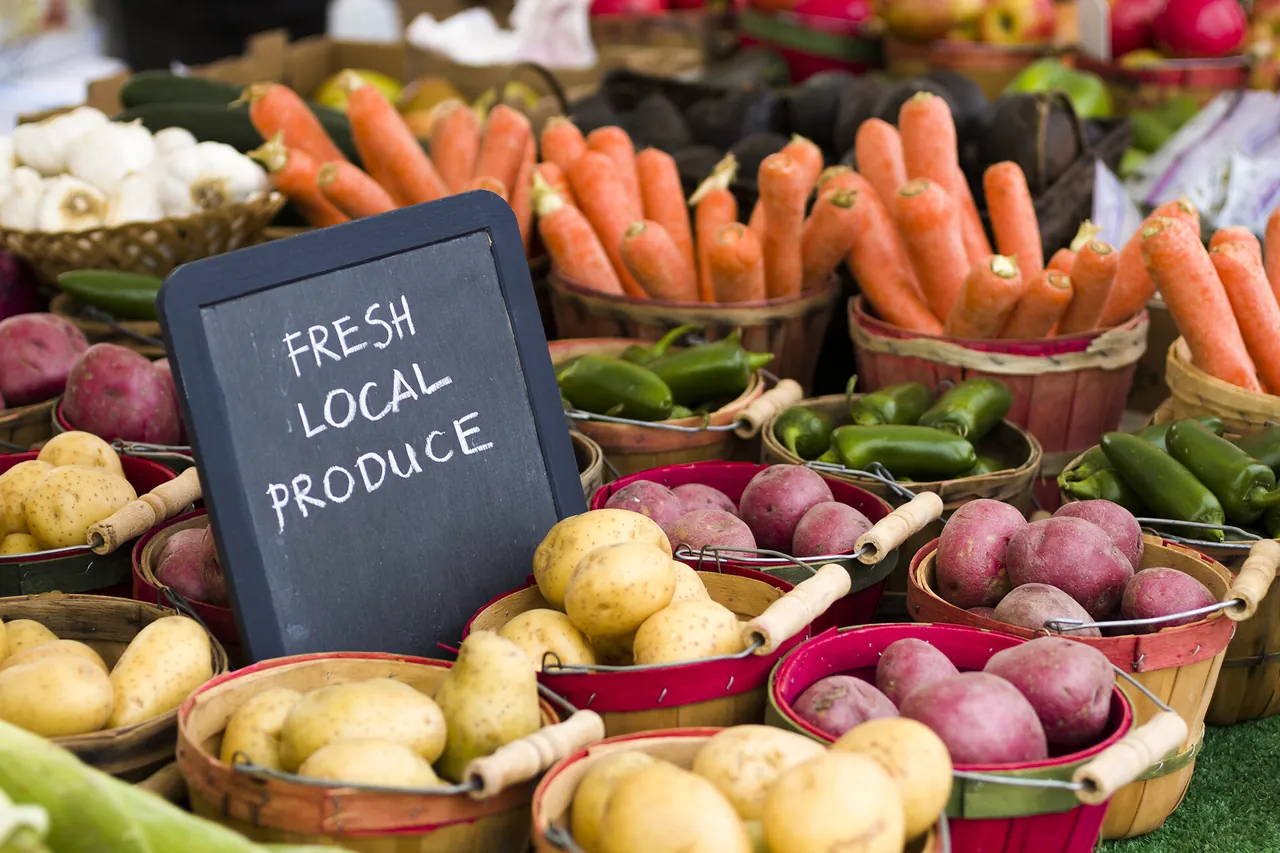
A produce route that pays for itself before the truck leaves
Farmers list what they pulled that morning. Households within 20 miles get a live, buyable catalogue at 7 am.
The problem
Farmers harvest without knowing who will buy. They overplant, drive half empty trucks to markets, and still compost a third of what they grow. Households want farm food but settle for grocery store lettuce that was cut two weeks ago.
What AI makes possible now
A vision model running on a farmer's phone recognises each vegetable variety, grades it, and estimates shelf life from a single photo. That inventory feeds into a routing agent that clusters orders by neighbourhood and generates a single collection route, printed or spoken aloud. Households browse a catalogue that updates as items sell, and a voice agent handles reorders, substitutions, and delivery instructions. What used to be a logistics business a few years ago is now a coordination layer that runs itself each morning.
How it works
- A farmer photographs the morning's harvest. The vision model identifies the crop, counts the units, and assigns a grade and a best before window.
- A pricing agent sets a per item price based on freshness, quantity, and demand patterns from the last 30 days.
- Households within the delivery radius see the live catalogue at 7 am and place orders before 9 am.
- A routing agent builds the shortest collection and drop off loop. The farmer picks once, packs by stop, and delivers by noon.
The first thirty days
One farm, one neighbourhood, thirty households invited through a local Facebook group. The farmer photographs six crop types each morning. A single retrieval augmented generation agent writes the catalogue, confirms orders, and prints a route sheet. No app to install. No inventory dashboard. Just a photo, a list, and a drive.
How it earns
The service keeps 18 percent of each sale. The farmer earns more per unit than wholesale and loses nothing to spoilage. Households pay a small premium over supermarket prices for food cut that morning. Volume grows with route density.
Why now
Vision models classify produce from a phone photo. Routing agents solve a travelling salesman problem in seconds. Voice agents handle the back and forth of substitutions without a support queue. These three capabilities together remove the coordinator role that made the old version too expensive to run.
First customers
Market gardeners with a mixed crop operation and a van. They already sell direct but waste hours on WhatsApp groups and handwritten lists. Their buyers are young families who cook at home and care about where food comes from.
The hard part
A rainy week reduces harvest variety and the catalogue looks thin. Households drift back to the supermarket out of habit. The fix is a standby network of two nearby farms so the catalogue always feels full, but that requires trust between competitors.
How we build it for you
We build the vision pipeline, the pricing agent, and the routing engine as one managed system. You know the farmers and the first thirty households. We run the morning coordination so you run the relationships. If you want to launch a food network that starts small and compounds by route density, get in touch and we build it for you.
We build it with our AI software factory, usually in days to a few weeks of creation time. You run it inside your business, or offer it to your own clients under your name.